and the Acadiana region
Slow drains, sewage odors, wet ground, alarm warnings, and recurring backups may indicate that part of your septic system is no longer working properly. Waiting too long can increase the risk of wastewater overflow, property damage, and a more complicated service call.
Acadiana Septic and Wastewater Services helps connect property owners with local professionals offering septic tank repair in Lafayette, LA, and nearby South Louisiana communities. Whether the issue involves a cracked lid, damaged pipe, failed aerator, pump problem, or an unknown source, a professional evaluation can help determine the next step.
Septic tank repair involves identifying and correcting a problem that prevents an onsite wastewater system from operating as intended. Depending on the type of system, the issue may involve the tank, inlet or outlet line, lid, baffle, filter, pump, alarm, aerator, float switch, control panel, or another component.
This service is different from pumping. A pump-out removes accumulated waste, while corrective work addresses damaged, blocked, worn, or malfunctioning parts. Pumping may be needed before an inspection, but emptying the tank will not solve every recurring problem.
Not every malfunction requires complete replacement. Localized damage can sometimes be corrected while the usable portions of the system remain in place.
The process varies based on the warning signs, property layout, and type of wastewater treatment system.
Warning signs may include:
These symptoms can have different causes. A backup may result from a full tank, clogged outlet, blocked line, failed pump, damaged baffle, or saturated disposal area. Accurate diagnosis helps avoid paying for a temporary fix that does not address the underlying issue.
A repair generally targets a specific defect. Examples include replacing a damaged lid, correcting a broken pipe, servicing an aerator, replacing a pump or float, or clearing a restricted outlet.
Replacement is more extensive and may be recommended when the tank has major structural damage, the system is improperly sized, or several components are severely deteriorated. Drain field failure or an unsuitable original design may also require work beyond a normal tank service.
Do not automatically assume that a warning sign means the entire system must be replaced. An inspection can help determine whether a focused solution is practical.
Pricing depends on the problem and the amount of work required. Replacing an accessible part may cost much less than excavating a buried tank or troubleshooting a mechanical treatment unit.
Common pricing factors include:
When requesting service, provide the last pump-out date, current symptoms, alarm status, recent rainfall, previous service history, and known tank location when possible.
Space out laundry loads, fix plumbing leaks, limit garbage disposal use, and keep wipes, grease, diapers, hygiene products, and other non-flushable materials out of drains and toilets.
Avoid parking vehicles, placing structures, or driving heavy equipment over the tank and disposal area. Keep access lids secured, and do not direct roof runoff or stormwater toward wastewater components.
For systems with mechanical equipment, pay attention to changes in sound, operation, or alarm activity. Records of pumping, maintenance, inspections, and replacement parts can also make future troubleshooting easier.
Not every wastewater problem requires the same type of service. If the tank mainly needs routine waste removal rather than corrective work, septic tank pumping may be the appropriate next step. Problems involving saturated soil, damaged field lines, poor wastewater absorption, or persistent wet areas beyond the tank may instead require drain field services.
Properties can also experience drainage issues outside the septic tank itself. Hydro jetting may be used for certain lines affected by heavy grease, sludge, or debris buildup, while sump pump services can address water-management problems around homes and low-lying areas. For restaurants, commercial kitchens, and other food-service properties, regular grease trap cleaning can help reduce grease accumulation and related plumbing problems.
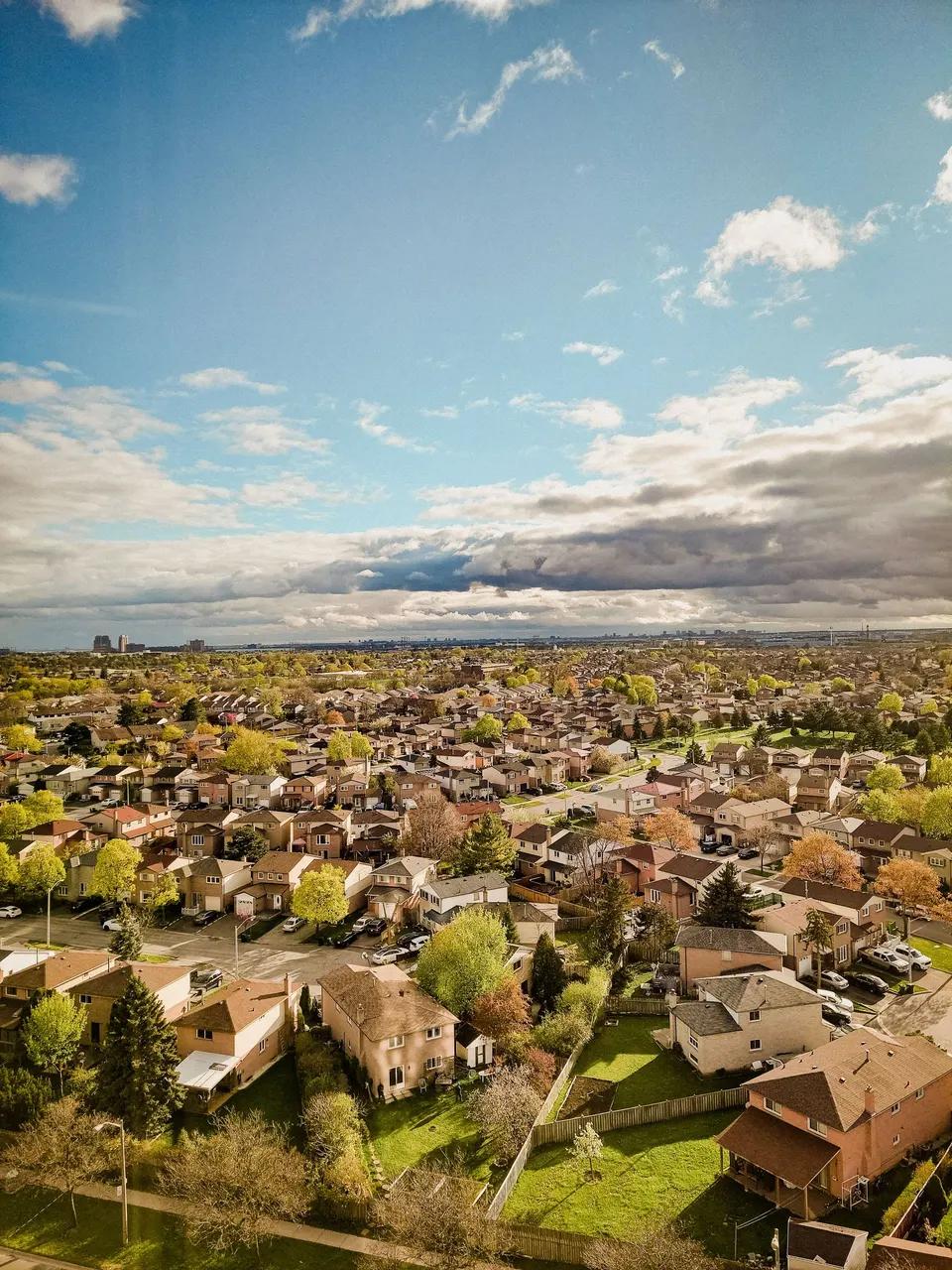
We help homeowners, landlords, and property managers connect with service for single-family homes, rental properties, mobile homes, and rural residences. Problems may result from age, heavy water use, weather conditions, roots, damaged piping, or delayed maintenance.
Homeowners should pay attention when multiple drains begin slowing down or when outdoor warning signs continue after the weather improves. Early troubleshooting can help determine whether the issue is isolated to one component or affects a larger portion of the system.

Commercial systems may serve restaurants, churches, offices, event facilities, rental communities, construction sites, and other businesses. Higher wastewater volume and changing occupancy can place additional pressure on treatment equipment.
A failure can interrupt normal operations and create sanitation concerns for employees, customers, tenants, and visitors. When contacting us, mention grease traps, lift stations, holding tanks, or other wastewater components that may also need attention.
Frequent rainfall, saturated ground, stormwater intrusion, and periods of high groundwater can make wastewater problems more noticeable throughout South Louisiana. Broken cleanouts, damaged lines, and unsecured openings may allow additional rainwater to enter and overload a system.
Many properties also use mechanical or aerobic treatment equipment. Service may involve aerators, pumps, alarms, floats, electrical controls, or system-specific replacement parts. Connecting with a professional familiar with the installed equipment can help ensure that the correct problem is addressed.
A standard repair may not fully correct:
Further evaluation may lead to drain field work, system modifications, or replacement. The goal is to identify the actual cause so the property owner can make an informed decision.
© 2026 All Rights Reserved | Acadiana Septic and Wastewater Services