Grease Trap Cleaning Lafayette, LA
and the Acadiana region
Grease buildup can create serious drainage problems for restaurants, commercial kitchens, cafeterias, and other food-service properties. As fats, oils, grease, and food solids accumulate inside a trap or interceptor, available capacity decreases and kitchen wastewater may begin draining more slowly.
Acadiana Septic and Wastewater Services helps businesses find local professionals providing grease trap cleaning and pumping in Lafayette, LA, and surrounding Acadiana communities. Whether you need scheduled maintenance, are dealing with persistent odors, or have noticed slow kitchen drains, timely service can help reduce the risk of backups and unnecessary interruptions.
What is a Grease Trap?
A grease trap is designed to separate fats, oils, grease, and food solids from kitchen wastewater before those materials travel farther into the drainage system.
As wastewater enters the unit, grease and oil generally rise while heavier solids settle toward the bottom. Water then continues through the outlet and into the property's sewer or wastewater system.
The trap has a limited amount of usable capacity. If accumulated material is not removed, grease and solids can interfere with wastewater flow or escape into downstream piping.
Grease trap cleaning removes this accumulated waste and helps restore available capacity. The service is different from hydro jetting, which addresses buildup farther inside certain drain or sewer lines.
What Happens During Grease Trap Service?
The exact process can vary depending on the size, design, location, and condition of the unit.
Accessing the Grease Trap
The trap or interceptor must first be accessed. Some smaller units are located inside near sinks or food-preparation areas, while larger systems may be buried outdoors.
Keeping access points clear can make scheduled maintenance easier and reduce unnecessary delays.
Removing Grease, Sludge, and Food Solids
Accumulated liquid, floating grease, sludge, and food solids are removed from the trap or interceptor. Depending on the size and location of the unit, the service provider may use vacuum equipment or another appropriate cleaning method.
The goal is to restore usable capacity rather than leave heavy grease or solids behind.
Checking the Interior
Accessible interior components may be checked for heavy buildup, damaged baffles, deteriorated fittings, unusual liquid levels, corrosion, or other visible concerns.
These conditions can sometimes explain why a recently serviced trap begins causing problems again sooner than expected.
Determining the Next Step
If the trap itself is functioning normally, continued maintenance may be all that is required. Recurring slow drainage, backups, or wastewater problems may point to buildup farther down the line or another plumbing issue that requires separate service.
Signs Your Grease Trap Needs Cleaning
A commercial kitchen does not always have to wait for an overflow before scheduling service.
Possible warning signs include:
- Slow-draining kitchen sinks
- Persistent grease or wastewater odors
- Gurgling from connected drains
- Water backing up into sinks or floor drains
- Visible grease near an access cover
- A trap that fills unusually quickly
- Frequent kitchen drain clogs
- Increased insects or pests near the unit
- Standing wastewater around an outdoor interceptor
- Grease appearing farther downstream
- Difficulty keeping drains flowing during busy periods
- Previous maintenance that is significantly overdue
Several of these symptoms can also result from clogged drain lines, damaged piping, or another wastewater problem. If cleaning does not resolve recurring symptoms, additional evaluation may be appropriate.
Grease Trap Cleaning
vs.
Grease Trap Replacement
Regular cleaning is intended to remove the material a working trap is designed to collect. If the unit remains structurally sound and its internal components are functioning correctly, scheduled maintenance can help keep it operating as intended.
Replacement is a different type of service. It may become necessary when the interceptor has significant structural deterioration, severe corrosion, damaged components that cannot be practically repaired, or insufficient capacity for the property's current needs.
Changes to a restaurant or commercial kitchen can also affect grease-management requirements. Higher food volume, additional fixtures, or expanded kitchen operations may place greater demand on an older unit.
An evaluation can help determine whether routine cleaning, component repairs, drain service, or more extensive work should be considered.
Grease Trap Cleaning Cost
The cost of grease trap cleaning in Lafayette can vary considerably based on the property and the type of equipment being serviced.
Pricing may be influenced by:
- Trap or interceptor capacity
- Indoor versus outdoor location
- Amount of grease and solids accumulated
- Accessibility of the unit
- Depth of outdoor access covers
- Number of traps or interceptors
- Condition of the collected material
- Amount of cleaning required
- Distance and accessibility for service equipment
- Restaurant operating schedule
- Emergency or after-hours requests
- Additional drain problems discovered during service
- Frequency of previous maintenance
Providing the approximate unit size, location, last cleaning date, and any current drainage symptoms can make the initial service discussion more useful.
Don't Wait for a Kitchen Backup
Grease accumulation can gradually restrict available capacity before creating an obvious emergency. Once kitchen sinks or floor drains begin backing up, normal food preparation and cleanup can become difficult.
Call (337) 337-2738 or submit the contact form if your grease trap is due for maintenance or your Lafayette-area business is experiencing odors, slow drains, or other possible grease-related problems.
Protecting Your Grease Trap
Kitchen habits can influence how quickly grease and food solids accumulate.
Scrape plates, pans, and cookware before washing them. Used fryer oil should be collected separately rather than poured into a sink or floor drain. Sink strainers can also help keep larger food particles from entering the wastewater system.
Staff should know where grease belongs and how improper disposal can affect kitchen plumbing. Consistent practices are especially important in busy kitchens where large amounts of food are prepared every day.
Cleaning the trap on an appropriate schedule is still necessary. Hot water, detergents, and other products should not be treated as substitutes for removing accumulated waste.
Related Septic and Wastewater Services
A full grease trap is not the only reason commercial drains can become slow or clogged. Heavy buildup farther inside certain drain and sewer lines may require hydro jetting or another line-cleaning solution.
Properties using private wastewater systems may also need septic tank pumping to remove accumulated solids or septic tank repair when components are damaged or malfunctioning. Persistent wastewater around an absorption area may indicate a need for drain field services, while sump pump services address separate groundwater and drainage concerns around low areas of a property.
Identifying where the problem originates can help determine which service is appropriate.
Indoor and Outdoor Grease Trap Services
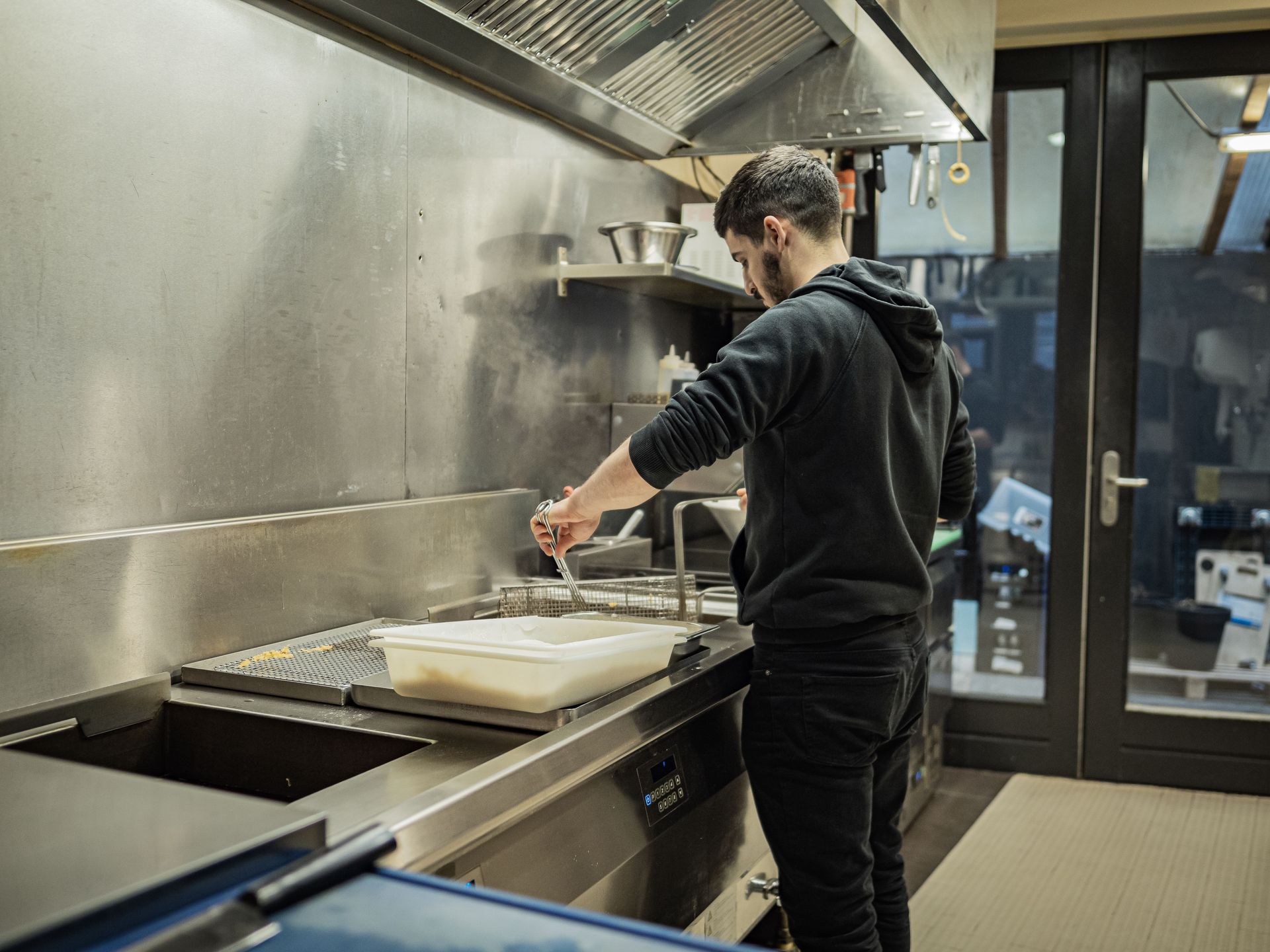
Smaller grease traps are commonly used near sinks, dishwashing areas, and other kitchen fixtures. Because these units have less holding capacity, grease and food solids can accumulate quickly in busy kitchens.
Frequent odors, slow drainage, or visible buildup can indicate that the unit needs attention. Establishing a regular cleaning schedule can help prevent maintenance from being forgotten during busy operating periods.
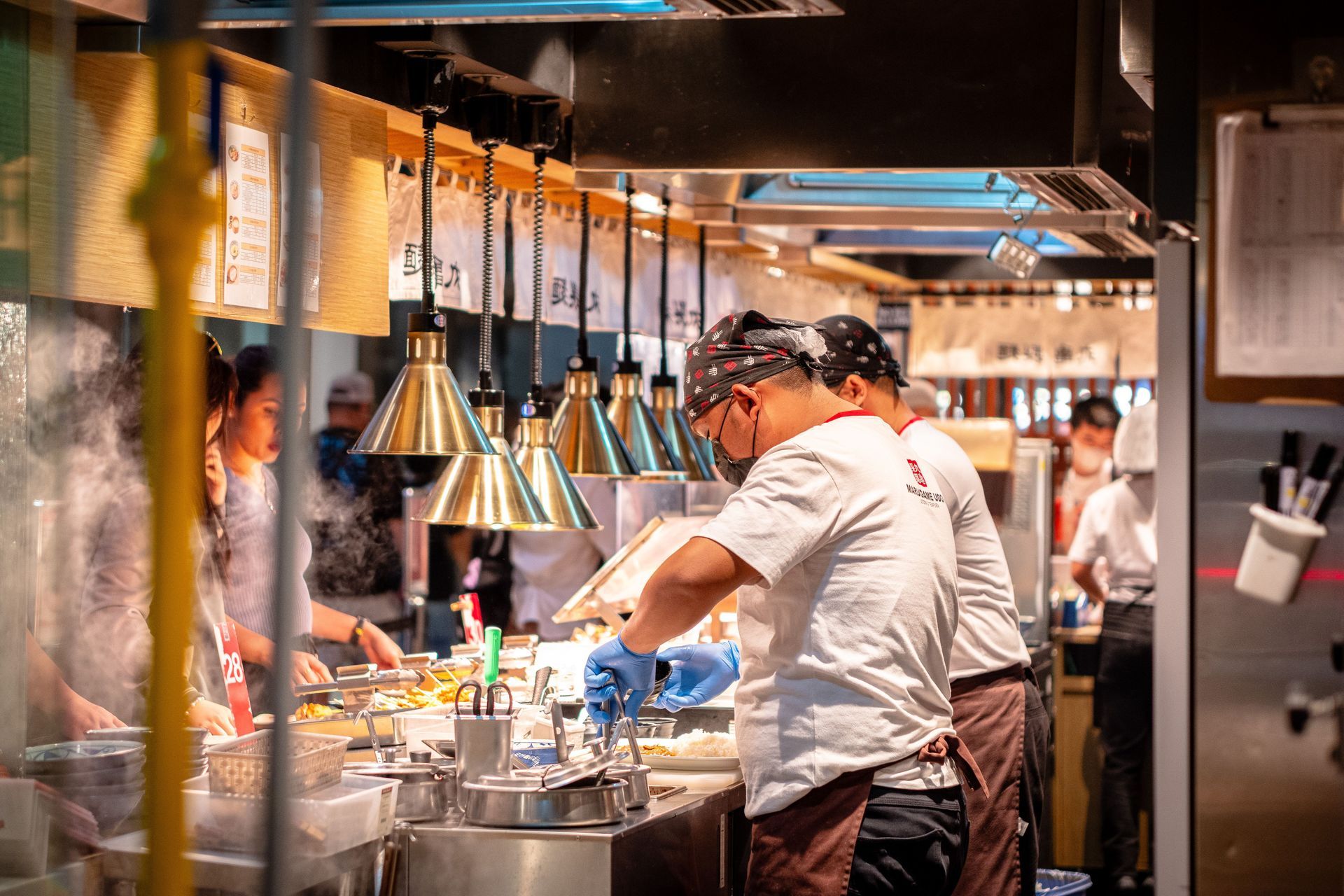
Larger grease interceptors can serve restaurants, cafeterias, hotels, schools, event facilities, and other higher-volume food-service properties. These units may receive wastewater from several kitchen fixtures and hold substantially more material.
Even a large interceptor requires routine maintenance. High food volume, heavy frying, long operating hours, and increased customer traffic can cause grease and solids to accumulate faster than expected.
Grease Trap Maintenance in Lafayette
Grease management is particularly important for Lafayette food-service businesses because local wastewater requirements may establish specific maintenance expectations.
For properties served by Lafayette Utilities System, LUS states that grease traps must be maintained regularly and identifies a minimum service interval of every 90 days under its Sewer Use Ordinance. Small under-sink traps may require considerably more frequent maintenance.
The correct schedule for a particular business can depend on the equipment, amount of food prepared, grease production, and applicable wastewater requirements. Businesses should follow the rules that apply to their specific location rather than assuming one cleaning interval works for every property.
Keeping records of previous service can also make it easier to determine how rapidly the unit accumulates waste and when future maintenance should be scheduled.
When More Extensive Work May Be Required
A standard grease trap cleaning may not completely resolve problems involving:
- Damaged inlet or outlet piping
- Broken or deteriorated internal components
- Significant corrosion or structural damage
- Severe grease buildup farther downstream
- Repeated kitchen drain blockages
- An interceptor that is too small for current usage
- Improperly installed equipment
- Collapsed or separated drain piping
- Wastewater backing up from another part of the system
- Chronic improper disposal of cooking oil and grease
- Septic problems affecting a privately served property
Recurring problems after cleaning can indicate that the source is somewhere other than normal grease accumulation. Further evaluation may lead to drain cleaning, plumbing repairs, component replacement, septic service, or another appropriate solution.
Stop Searching for "Grease Trap Cleaning Near Me"
Request grease trap cleaning and pumping for restaurants and commercial kitchens throughout Lafayette, Youngsville, Broussard, Scott, Carencro, Breaux Bridge, Maurice, New Iberia, Abbeville, and nearby South Louisiana communities.
Whether you need scheduled grease trap maintenance, service for a large outdoor interceptor, or help with odors and slow kitchen drains, call (337) 337-2738 or complete the contact form to discuss your service needs.