Septic Drain Field Services Lafayette, LA
and the Acadiana region
A drain field that can no longer absorb wastewater properly may cause slow plumbing, sewage odors, unusually wet areas of the yard, or recurring septic backups. Because the absorption area is one of the final stages of an onsite wastewater system, problems there can affect the performance of the entire system.
Acadiana Septic and Wastewater Services helps property owners find local professionals offering septic drain field repair, evaluation, and installation services in Lafayette, LA, and surrounding Acadiana communities. If you are dealing with standing wastewater, persistent drainage problems, or concerns about an aging leach field, an evaluation can help determine whether the problem is isolated to one component or requires more extensive work.
What is a Septic Drain Field?
A septic drain field, sometimes called a leach field or absorption area, receives liquid wastewater after it has been separated from solids inside the septic tank. The wastewater is distributed through underground piping or another approved disposal system so it can be absorbed and treated by the surrounding soil.
For this process to work correctly, the field needs adequate drainage and enough usable soil to accept the amount of wastewater leaving the tank. Problems can develop when pipes become damaged, solids reach the field, the soil remains saturated, or the system receives more wastewater than it can effectively handle.
Drain field service is different from
septic tank pumping. Pumping removes accumulated solids from the tank, while drain field work focuses on how wastewater moves away from the tank and into the disposal area.
What Happens During Drain Field Service?
The appropriate service depends on the symptoms, system design, property layout, and condition of the absorption area.
Checking Wastewater Distribution
Accessible portions of the system can be examined to determine whether wastewater is reaching the disposal area normally. A blockage, damaged outlet, distribution problem, or failed component can sometimes create symptoms that resemble a completely failed field.
Evaluating the Symptoms
The septic professional may ask whether the problem began suddenly or developed over time. Details such as recent heavy rainfall, the last pump-out date, household water use, previous repairs, sewage odors, and where standing water appears can provide important clues.
Locating the System
The tank, outlet line, distribution components, and drainage area may need to be identified before the source of the problem can be determined. Existing septic records, visible access points, previous service information, and the layout of the property may help locate buried components.
Determining the Next Step
Depending on what is found, the recommended solution could involve repairing a damaged line, addressing a distribution problem, replacing individual components, or considering a new absorption area. More complicated cases may require excavation, additional site evaluation, or permitting before work proceeds.
Signs of Drain Field Problems
Drainage problems should not be ignored, especially when several warning signs appear at the same time.
Possible symptoms include:
- Soggy or unusually soft ground over the field
- Wastewater collecting on the surface
- Strong sewage odors outside
- Grass that is noticeably greener or thicker in one area
- Multiple plumbing fixtures draining slowly
- Toilets that gurgle or flush poorly
- Sewage backing up into tubs, showers, or floor drains
- Problems that become worse after prolonged rain
- A septic tank that appears to refill rapidly after pumping
- Persistent wet spots during otherwise dry weather
- Uneven or sunken ground near buried components
Not every one of these conditions means the entire drain field has failed. A clogged pipe, full septic tank, obstructed filter, damaged outlet, or distribution issue can produce similar symptoms.
Drain Field Repair
vs.
Drain Field Replacement
Repair may be possible when the problem is limited to a specific component or section of the disposal system.
For example, corrective work may address damaged piping, a distribution box that is no longer dividing flow properly, root intrusion, or another localized defect. When the surrounding absorption area remains usable, repairing the affected portion may be more practical than replacing the entire field.
Drain field replacement involves significantly more work. A new absorption area may be considered when the existing field is severely deteriorated, repeatedly saturated, improperly sized, extensively damaged, or no longer able to accept wastewater at an adequate rate.
Property size, available land, soil conditions, system design, and applicable requirements can all affect the options available. An evaluation can help determine whether repair or replacement makes more sense for the property.
Septic Drain Field Replacement Cost
The cost of septic drain field replacement in Lafayette can vary significantly because replacing a failed leach field is a major underground construction project, not a simple repair.
Pricing may be influenced by:
- Size and design of the new drain field system
- Soil type, percolation rate, and groundwater conditions
- Depth and extent of excavation required
- Number of drain lines and total linear footage needed
- Whether the existing system must be fully removed or abandoned
- Accessibility for heavy excavation equipment
- Site grading and restoration after installation
- Replacement of damaged or outdated distribution components
- Need to pump and decommission the existing septic tank
- Required permits, engineering plans, and inspections
- Setback requirements from wells, structures, or property lines
- Availability of suitable space for a new drain field area
- Residential vs. commercial wastewater load requirements
- Urgency of replacement due to system failure or backups
Providing past septic system records, the age of the current system, soil test results (if available), and a clear description of failure symptoms can help contractors give a more accurate replacement estimate.
Don't Wait for Wastewater to Surface
A struggling absorption area may become increasingly noticeable as more water enters the septic system. Once untreated or partially treated wastewater begins surfacing in the yard or backing up through indoor plumbing, the problem can create sanitation concerns and interfere with normal use of the property.
Call (337) 337-2738 or submit the contact form if you are seeing signs of a possible drain field problem in Lafayette or another nearby Acadiana community.
Protecting Your Drain Field
How a property is used can affect the long-term performance of its wastewater disposal area.
Avoid completing several high-water-use activities at the same time. Spreading laundry loads throughout the week, repairing leaking toilets and faucets, and avoiding unnecessary water use can reduce sudden hydraulic pressure on the system.
Keep vehicles, trailers, sheds, construction equipment, and other heavy loads off the absorption area. Soil compaction and crushed piping can interfere with drainage.
Roof drains, gutters, and other sources of stormwater should also be directed away from septic components when practical. Additional water entering an already wet area can make it more difficult for the soil to accept wastewater.
Routine septic tank pumping is another important protective measure because excessive solids leaving an overfilled tank can contribute to problems farther downstream.
Related Septic and Wastewater Services
Drain field problems can sometimes be related to issues elsewhere in the wastewater system. If excessive solids are building up in the tank, septic tank pumping may be needed to remove accumulated waste and reduce the risk of material reaching the absorption area. Cracked tanks, damaged components, leaks, and other structural problems may instead require septic tank repair.
Other properties may have separate drainage concerns that require different solutions. Sump pump services can help address unwanted water around homes and low-lying areas, while hydro jetting may be used to clear stubborn buildup from certain drain and sewer lines. Restaurants and other food-service properties can also request grease trap cleaning to help prevent fats, oils, and solids from contributing to plumbing blockages and wastewater problems.
Residential and Commercial Services
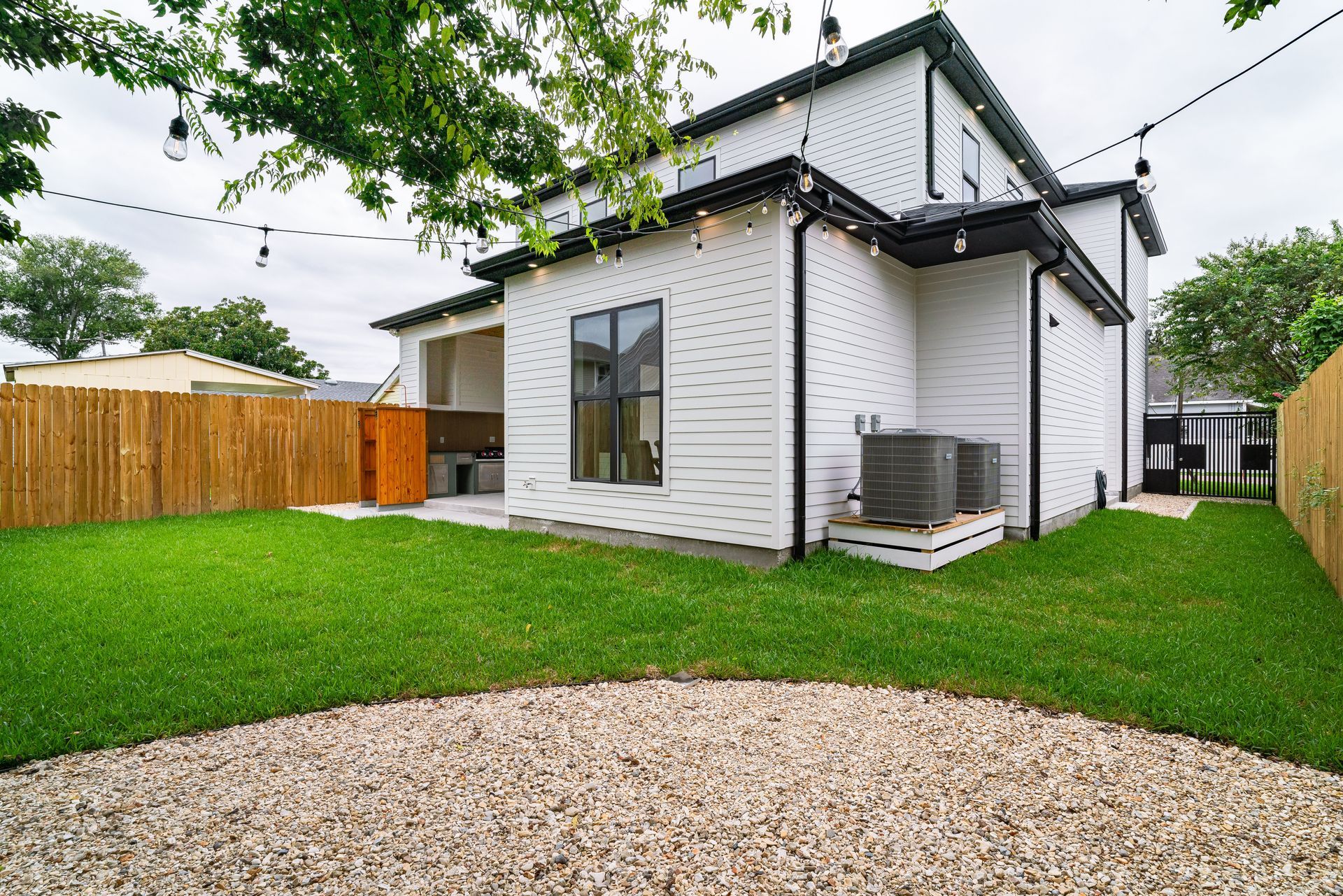
Single-family homes, rental houses, manufactured homes, and rural properties throughout Acadiana may rely on onsite wastewater disposal. Household size, water consumption, system age, maintenance history, and weather conditions can all influence how well an absorption area performs.
Recurring wet spots, sewage odors, or drainage problems affecting multiple fixtures deserve attention, particularly when they continue after the septic tank has already been pumped.

Restaurants, offices, churches, event facilities, rental properties, shops, and other businesses may also use private wastewater systems. Higher occupancy and greater water use can place additional demand on the disposal area.
Commercial properties may have other wastewater components that require separate attention. Take a look at our other service pages for more information.
Drain Field Problems in South Louisiana
Frequent rainfall and periods of saturated soil can make existing drainage problems more noticeable around Lafayette and the surrounding Acadiana region. When the ground already contains a large amount of water, an absorption area may have less capacity to accept additional wastewater.
Surface drainage can also contribute to problems when rainwater is directed toward the septic system. Low areas of a property may remain wet longer, making it important to distinguish between ordinary stormwater accumulation and wastewater related to the disposal system.
Older systems can develop additional concerns from deteriorating pipes, root growth, changing property conditions, or years of heavy use. An accurate evaluation is important because simply pumping the tank may provide only temporary relief when the underlying issue is farther downstream.
Problems That May Require More Extensive Work
A basic drain field repair may not be enough when there is:
- Widespread deterioration of field lines
- Soil that can no longer accept wastewater adequately
- Severe or recurring saturation
- An undersized wastewater system
- Significant damage from vehicles or construction
- Poor original system placement
- Long-term hydraulic overloading
- Limited usable space for wastewater disposal
- Multiple failed underground components
In these situations, further evaluation may lead to field replacement, system modifications, or another disposal solution appropriate for the property.
Septic Drain Field Services in the Lafayette Area
Request help with septic drain field problems throughout Lafayette, Youngsville, Broussard, Scott, Carencro, Breaux Bridge, Maurice, New Iberia, Abbeville, and nearby South Louisiana communities.
Whether you are dealing with soggy ground, sewage odors, recurring backups, damaged field lines, or a disposal area that may need replacement, call (337) 337-2738 or complete the contact form to discuss the problem and determine the appropriate next step.