Hydro Jetting Lafayette, LA
and the Acadiana region
Recurring drain problems can be frustrating when a line is cleared only for slow drainage or another blockage to return. Grease, sludge, soap residue, sediment, and other material can gradually collect along the inside of wastewater piping and reduce the space available for normal flow.
Acadiana Septic and Wastewater Services helps homeowners and businesses find local professionals providing hydro jetting in Lafayette, LA, and surrounding Acadiana communities. When buildup is contributing to repeated clogs or restricted drainage, high-pressure water cleaning may provide a more thorough solution than simply opening a small path through the obstruction.
What is Hydro Jetting?
Hydro jetting, also called drain jetting, sewer jetting, or water jetting, is a pipe-cleaning method that uses pressurized water to loosen and remove material from the interior of drain and sewer lines.
A specialized hose and nozzle are introduced through an appropriate access point. Water is directed through the line to break apart deposits and move loosened debris through the drainage system.
Drain jetting may be useful for grease, sludge, soap residue, food particles, sediment, and other buildup that has accumulated over time. Different nozzles and cleaning approaches may be selected depending on the pipe and the type of material being removed.
The condition of the line matters. High-pressure cleaning is not appropriate for every pipe, particularly when there are concerns about severe deterioration, collapse, or other structural damage.
What Happens During Hydro Jetting Service?
The exact process depends on the affected line, available access, pipe condition, and cause of the drainage problem.
Identifying the Affected Line
The service provider may begin by reviewing which fixtures are draining slowly or backing up. A problem affecting one kitchen sink may have a different cause than several fixtures experiencing drainage trouble at the same time.
Previous clogs, grease use, wastewater odors, unusual sounds, and earlier attempts to clear the line can provide useful information.
Checking Access and Pipe Condition
An accessible cleanout or another suitable entry point is typically needed to reach the affected piping. The age, material, diameter, and condition of the line can influence whether water jetting is appropriate.
In some situations, additional inspection may be recommended when structural damage, roots, or an unknown obstruction are suspected.
Cleaning the Line
A jetting hose is advanced through the piping while pressurized water works against deposits inside the line. The goal is to loosen accumulated material and move it away rather than simply creating an opening through the center of the blockage.
The amount of pressure and type of nozzle can vary based on the pipe and the material being removed.
Confirming Drainage
After cleaning, drainage may be checked to see whether wastewater is moving through the line more freely.
If the same symptoms continue, the underlying problem may involve pipe damage, improper slope, a septic issue, or another condition that cleaning alone cannot correct.
Signs You May Need Hydro Jetting
Drain problems often begin gradually before a line becomes completely blocked.
Possible signs include:
- Drains that repeatedly become slow
- Kitchen lines affected by grease buildup
- Floor drains that frequently clog
- Several fixtures having drainage problems
- Gurgling from toilets, sinks, or drains
- Water rising from lower plumbing fixtures
- Persistent wastewater odors
- Sludge or residue inside accessible piping
- Clogs that return shortly after basic clearing
- Reduced flow through a sewer line
- Commercial drains that struggle during busy periods
- Frequent need for drain cleaning
These symptoms do not automatically mean drain jetting is the correct solution. A full septic tank, damaged pipe, overloaded grease trap, failing pump, or drain field problem can create similar drainage concerns.
Hydro Jetting
vs.
Sewer Line Repair
Hydro jetting and sewer line repair address different types of problems.
Hydro jetting is intended to remove material from inside piping that is otherwise capable of carrying wastewater. Grease, sludge, residue, sediment, and certain other deposits may be loosened and flushed from the line without replacing the pipe itself.
Sewer line repair becomes more relevant when the problem is structural. Crushed sections, separated connections, severe corrosion, significant cracks, improper slope, or collapsed piping cannot be corrected simply by cleaning the interior.
This distinction is important when clogs continually return. Sewer jetting may improve flow when buildup is responsible, but repeated problems caused by damaged piping may continue until the underlying defect is addressed.
Hydro Jetting Cost
The cost of this service in Lafayette can vary depending on the line being cleaned and the complexity of the drainage problem.
Pricing may be influenced by:
- Location of the affected pipe
- Length and diameter of the line
- Type and amount of buildup
- Residential or commercial use
- Accessibility of the cleanout
- Number of lines requiring attention
- Pipe material and condition
- Need for additional inspection
- Grease or sludge accumulation
- Root-related concerns
- Specialized nozzle requirements
- Difficulty reaching the affected area
- Emergency or after-hours scheduling
- Additional problems found during service
When requesting help, provide information about which fixtures are affected, how often the problem occurs, and whether previous drain cleaning has provided only temporary relief.
Don't Keep Clearing the Same Clog
A blockage that repeatedly returns may indicate that material remains along the interior of the line or that another wastewater problem has not been identified.
Call (337) 337-2738 or submit the contact form if your Lafayette-area property is dealing with recurring clogs, slow drainage, grease buildup, or other possible sewer and drain line restrictions.
Protecting Your Drains After Cleaning
Good disposal habits can help slow the return of buildup after a line has been cleaned.
Avoid pouring cooking grease and oil down sinks. Coffee grounds, wipes, paper towels, hygiene products, and other materials that do not belong in the wastewater system should also be kept out of drains and toilets.
Food-service businesses can reduce grease entering their piping by scraping cookware and plates, using drain strainers, collecting fryer oil separately, and maintaining grease traps on an appropriate schedule.
Recurring blockages should not automatically be treated as ordinary buildup. If damaged piping, roots, or another structural issue contributed to the problem, additional work may be needed.
Related Septic and Wastewater Services
Drain jetting addresses certain types of buildup inside drain and sewer piping, but drainage symptoms can originate elsewhere in the wastewater system.
Restaurants and commercial kitchens dealing with accumulated fats, oils, grease, and food solids may also require grease trap cleaning. Properties using onsite wastewater systems may need septic tank pumping when excessive solids have accumulated or septic tank repair when equipment and components are no longer functioning properly.
Persistent wastewater around the absorption area may point to the need for drain field services. Sump pump services address a different concern by helping manage groundwater and unwanted water accumulation around low areas of a property.
Determining where the restriction or wastewater problem begins can help identify the appropriate service.
Residential and Commercial Hydro Jetting
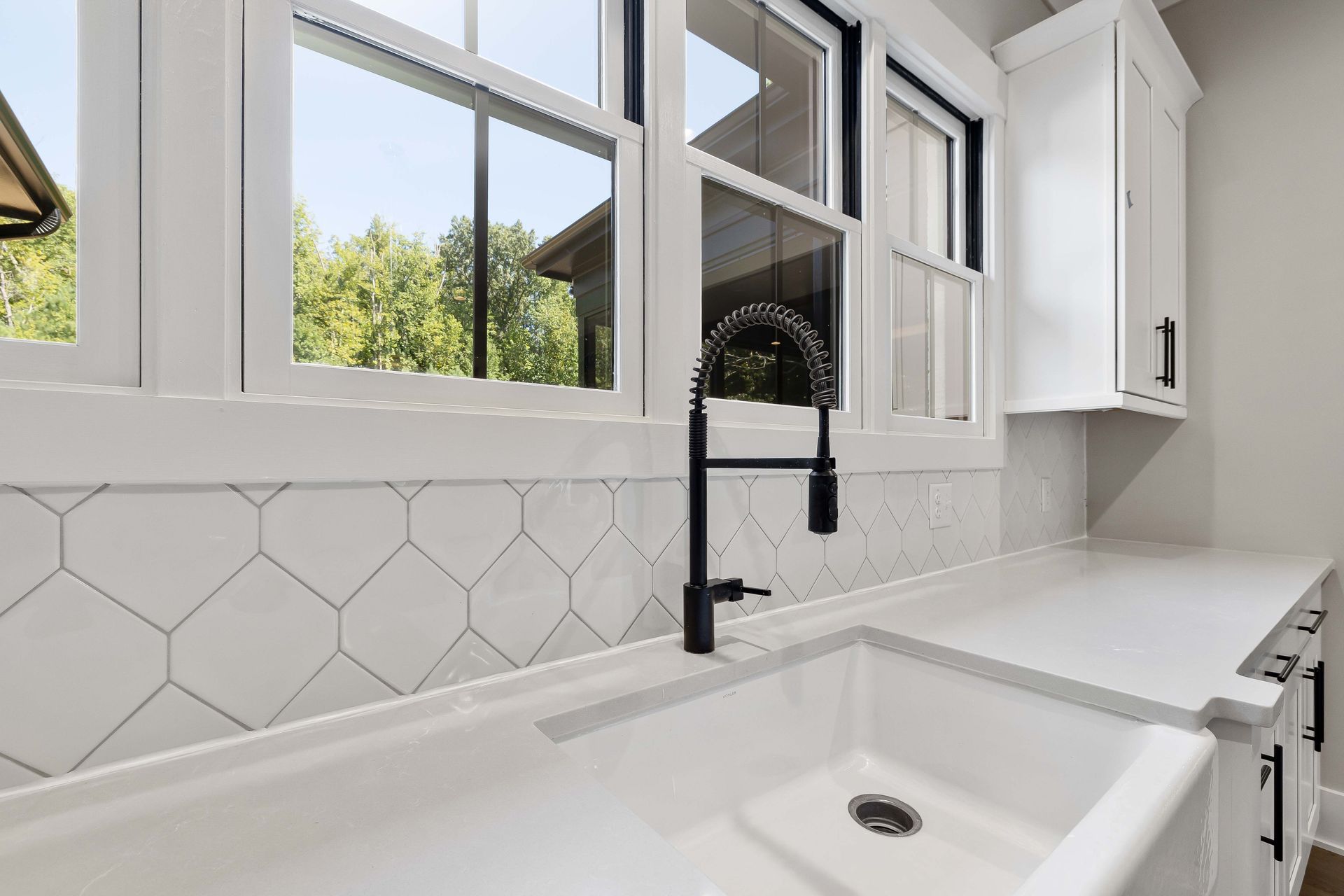
Residential properties may develop buildup inside kitchen drains, laundry lines, floor drains, main sewer piping, and other wastewater lines.
Drain jetting may be considered when grease, soap residue, sludge, or sediment contributes to recurring drainage problems. Older or questionable piping may require additional evaluation before high-pressure cleaning is used.
Restaurants, apartment properties, offices, schools, churches, retail facilities, and other commercial buildings can place heavier demands on drainage systems.
Food-service lines are especially vulnerable to grease and food residue, while other high-use properties may experience repeated accumulation in main drains and wastewater piping. Addressing persistent restrictions can help reduce backups that interfere with normal business operations.
Hydro Jetting for Lafayette
Wastewater Systems
Drainage symptoms can sometimes become more noticeable during periods of heavy rainfall in South Louisiana, particularly on properties with septic systems or other wastewater components already experiencing problems.
Slow drains during wet weather do not necessarily mean the pipe itself needs water jetting. Saturated drain fields, overloaded septic tanks, groundwater problems, and stormwater accumulation can create symptoms that require a different type of service.
For this reason, it is important to consider the entire wastewater setup when several problems appear at the same time. Sewer jetting is most useful when removable buildup inside suitable piping is actually restricting flow.
Commercial properties also benefit from identifying the source of recurring grease-related problems. Cleaning a downstream line without maintaining an overloaded grease trap can allow the same buildup to return.
When More Extensive Work May Be Required
Water jetting may not completely resolve drainage problems involving:
- Collapsed or crushed piping
- Separated pipe connections
- Severe corrosion or deterioration
- Large cracks or structural damage
- Improper sewer line slope
- Major root damage
- Inaccessible or unsuitable piping
- A full septic tank
- A saturated or failing drain field
- A malfunctioning septic pump
- An overloaded or damaged grease interceptor
- Groundwater or exterior drainage problems
In these situations, additional evaluation may lead to sewer line repair, excavation, septic service, component replacement, grease trap maintenance, or another solution appropriate for the property.
Hydro jetting should also not be used simply because a clog is difficult to clear. The condition of the piping and the cause of the restriction should be considered before high-pressure cleaning is performed.
Stop Searching for "Hydro Jetting Near Me"
Request residential and commercial hydro jetting throughout Lafayette, Youngsville, Broussard, Scott, Carencro, Breaux Bridge, Maurice, New Iberia, Abbeville, and nearby South Louisiana communities.
Whether you are dealing with recurring drain blockages, grease buildup, slow wastewater flow, or a sewer line that repeatedly needs attention, call (337) 337-2738 or complete the contact form to discuss your service needs.